Where the Heart Is
Play Where the Heart Is
Where the Heart Is Screenshots




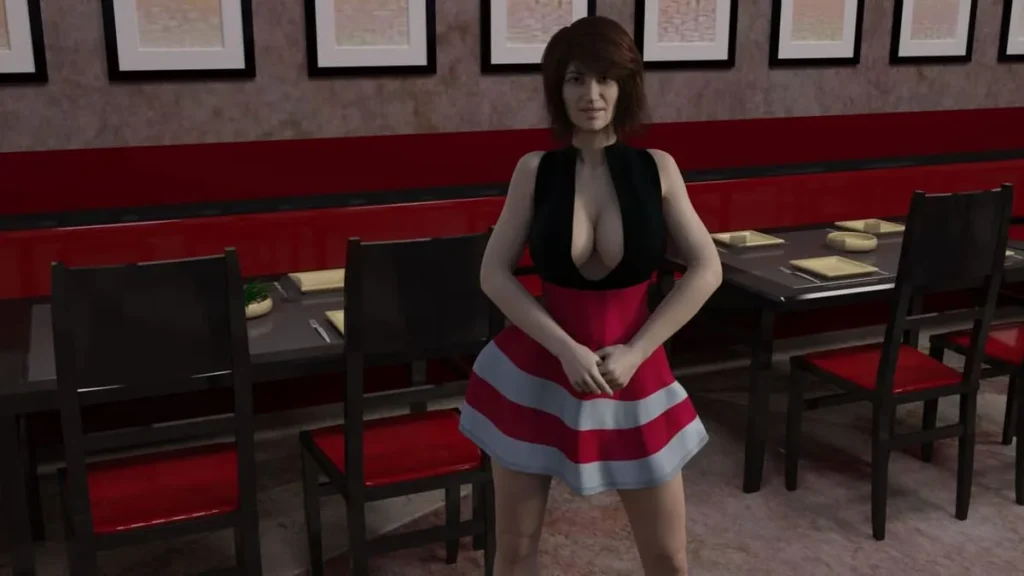
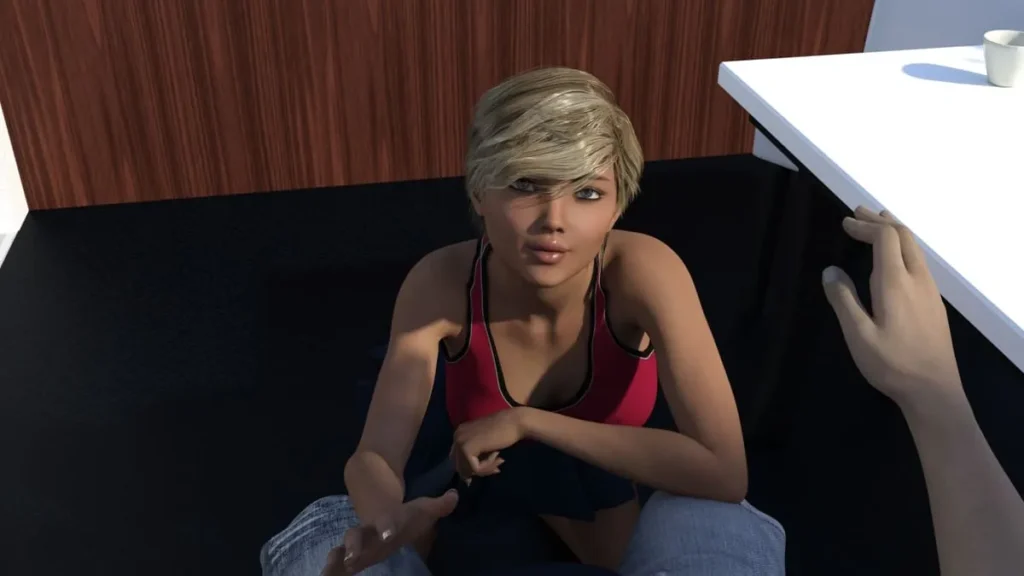








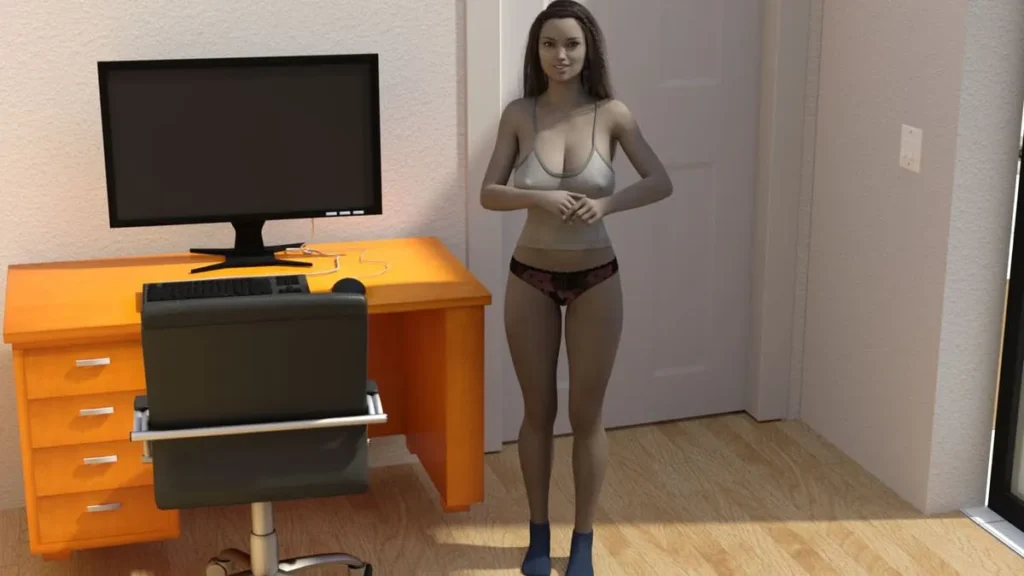










Where the Heart Is review
Explore storylines, characters, and gameplay mechanics in this adult visual novel
Where the Heart Is stands out as a narrative-driven adult visual novel that combines choice-based storytelling with character-driven romance elements. Developed using the Ren’Py engine with full HD graphics, this game places you in the role of a male protagonist returning to his childhood home after his father’s passing. The experience centers on meaningful interactions with multiple female characters, each with distinct personalities and relationship arcs. Whether you’re interested in slow-burn romances or quick passionate encounters, this game offers branching storylines that respond to your decisions. Understanding the game’s mechanics, characters, and narrative structure helps players maximize their experience and discover the various relationship outcomes available.
Game Overview and Core Mechanics
Ever find yourself scrolling through game stores, seeing the same old genres, and just craving something that feels… different? Something that’s less about quick reflexes and more about genuine human connection? 😌 That’s exactly where I was when I first stumbled upon Where the Heart Is. This isn’t just another click-through story; it’s a deeply personal journey that uses every tool in the modern visual novel toolkit to pull you into its world. Built on the accessible yet powerful Ren’Py adult game engine, it presents its beautiful 1920×1080 visuals with a polish that immediately sets it apart. But the real magic isn’t just in the pretty pictures—it’s in how it makes you feel like you’re truly living the story.
As the protagonist, you’re not watching a story unfold from a distance. The game employs a consistent first-person visual novel perspective. You see the world through your own eyes, making every flirtatious smile, every awkward silence, and every heartfelt confession feel intensely personal. You return to your hometown after your father’s passing, a premise ripe with emotion, and are immediately greeted by the familiar yet changed face of Monica, your childhood friend, and her two daughters. This homecoming is your new reality, and every choice from this moment forward is yours alone.
What Makes Where the Heart Is Unique
So, what sets Where the Heart Is apart in a sea of narrative games? It’s the masterful blend of technical polish and raw, relatable storytelling. Many games promise meaningful choices, but here, the consequences are woven into the fabric of the world with a subtlety that’s truly impressive. 🎭
First, let’s talk about the foundation. Being a Ren’Py adult game often brings certain expectations, but Where the Heart Is uses the engine to its full potential. The high-definition artwork pops off the screen, making every character expression and scenic backdrop feel alive. This technical solidity means you’re never taken out of the moment by glitches or rough edges; the immersion is seamless.
But the true uniqueness lies in its approach to the narrative. This isn’t a linear tale where you’re just along for the ride. It’s a choice-based romance game at its core, but one that understands romance is complicated. Your network isn’t limited to just potential partners. You’ll interact with friends, neighbors, and various NPCs, each with their own lives and opinions. How you treat Monica’s daughters, for instance, or the local barista, can subtly influence your reputation and how main characters view you. The world feels reactive and organic.
I remember my first playthrough, laser-focused on one character. I made every choice I thought would impress her, only to be politely, but firmly, friend-zoned. 😅 Why? Because I’d completely ignored her best friend, whose opinions she valued deeply. My single-minded approach had unknowingly created a negative impression. That moment was a revelation—this game doesn’t just track your love interests; it tracks your entire social footprint.
Understanding the Choice-Based System
At the heart of this experience is the brilliant dialogue choice system. You’ll spend much of your time in conversation, and every chat is an opportunity. The system is elegantly simple on the surface: a few options appear, you pick one, and the story continues. But beneath that simplicity lies a complex web of branching narrative gameplay.
The choices break down into two main types, creating the core gameplay loop:
* Conversation-Based Choices: These are the most frequent. What do you say when a character shares a vulnerable secret? Do you offer cocky humor, sincere sympathy, or flirtatious teasing? There’s rarely a canonical “right” answer, only what’s right for the relationship you want to build.
* Action-Based Decisions: These are bigger, often plot-defining moments. Do you offer to help someone move, knowing it will cost you a day you planned to spend with someone else? Do you intervene in an argument? These decisions can open up entirely new story paths or close others off permanently.
The genius of the branching narrative gameplay in Where the Heart Is is that it rarely holds your hand. The game doesn’t flash a message saying “Monica will remember that.” Instead, you see it in her slightly guarded expression the next day, or in a piece of unique dialogue a week later. You learn character preferences through careful observation and, yes, sometimes through failure.
Pro Tip: Don’t be afraid of the reload button! One of the best ways to learn the intricate dialogue choice system is to save before a big conversation and experiment. See how a character reacts to different versions of you. It’s the best way to understand their personality.
This system creates a powerful sense of ownership. When a romance blossoms, it feels earned. When it fails, it feels like a real, human misstep. Your story becomes uniquely yours, a direct product of your decisions. This level of player agency is what defines the very best choice-based romance games, and Where the Heart Is executes it masterfully.
Character Relationship Dynamics
This is where Where the Heart Is truly shines as a choice-based romance game. The character relationship mechanics are nuanced, challenging, and incredibly rewarding. The game openly acknowledges that in real life, not every person is equally accessible, and not every connection progresses at the same speed. It mirrors this beautifully in its design.
Some characters are openly friendly and warm, their affection easier to earn through kindness and consistent attention. Others are guarded, with walls built from past pain, requiring more patience and specific key choices to let you in. The game features a fantastic spectrum of pacing. You can pursue slow-burn romance options that build tension and deep emotional connection over many in-game weeks, or find yourself in quick, passionate affairs that ignite suddenly but may just as quickly burn out. 🕯️➡️🔥
And then there’s the rejection mechanic—a feature more games need! Characters have their own agency and preferences. If your choices consistently clash with their personality or values, they will turn you down. It’s not a game over; it’s a narrative pivot. Being rejected can lead to poignant, meaningful storylines about friendship, personal growth, or simply learning to deal with disappointment. It forces you to engage with characters as full-fledged people, not just conquests.
To help you navigate these complex waters, here’s a breakdown of the primary relationship dynamics you’ll encounter:
| Relationship Type | Description | Gameplay Approach & Tips |
|---|---|---|
| Slow-Burn Romance | Deep, emotional connections that build gradually. These paths prioritize trust, shared moments, and emotional intimacy over physicality. Often involves helping a character through personal struggles. | Patience is key. Focus on being a reliable, understanding presence. Choose supportive dialogue, keep promises, and invest time in their personal subplots. Don’t force flirtatious options too early. |
| Quick, Passionate Affairs | Intense, chemistry-driven relationships that move rapidly. Physical attraction and bold choices are central. These can be thrilling but may lack long-term stability without careful follow-up. | Be confident and direct. Use more flirtatious and daring dialogue choices. These paths often reward seizing the moment when it presents itself, but be wary of coming on too strong at the wrong time. |
| Rejection & Alternate Paths | Not every connection leads to romance. A character’s disinterest can lead to deep friendship, rivalry, or a narrative about moving on. These paths are rich with their own unique stories and character development. | Respect the character’s autonomy. If signs of disinterest appear (curt replies, avoiding plans), consider pivoting to a friendly approach. Often, the most memorable and mature storytelling emerges from these non-romantic arcs. |
Mastering these character relationship mechanics is the ultimate goal. It’s about listening, observing, and learning from your mistakes. Do they light up when you talk about art? Do they shut down when you mention their family? Each interaction is a piece of a puzzle. The game’s branching narrative gameplay ensures that the picture you assemble is one you actively chose to create.
Whether you’re navigating the complicated, tender history with Monica, exploring a new dynamic with one of her daughters, or connecting with someone else entirely in the town, every relationship feels distinct and meaningful. The first-person visual novel perspective makes every breakthrough and every setback hit with profound emotional force. You’re not just playing a Ren’Py adult game; you’re crafting a personal story of love, loss, and finding where you truly belong.
Where the Heart Is delivers a compelling experience for players seeking narrative-driven adult entertainment with meaningful choice systems. The game’s foundation in Ren’Py technology combined with full HD graphics creates an immersive environment where your decisions genuinely shape the story. From the initial reunion with Monica and her daughters to encounters with the diverse supporting cast, every choice you make influences relationship outcomes and available storylines. The balance between conversation-based and action-based decisions keeps gameplay engaging across multiple playthroughs, encouraging exploration of different character routes and relationship paths. Whether you prefer slow-burn romances that develop gradually or quick passionate encounters, the game accommodates various playstyles. The reload mechanic removes pressure from individual choices, allowing you to experiment freely and discover all the narrative possibilities. For players interested in choice-based visual novels with adult themes, Where the Heart Is offers substantial content with meaningful branching narratives that reward careful attention to character preferences and strategic decision-making.