Corporate Culture
Play Corporate Culture
Corporate Culture Screenshots




















Corporate Culture review
A player-focused guide and creative critique of the adult-themed visual novel
This article dives into the game ‘Corporate Culture’, an adult-themed visual novel that blends workplace satire with branching narrative gameplay and relationship systems. In the first paragraphs I’ll outline what the game offers, why its systems matter to players, and what you can expect from this guide to help you navigate story branches, character paths, and gameplay mechanics. I’ll share personal impressions from playing multiple runs, explain how to make the most of its systems, and offer practical tips to get the endings you want.
Overview: What is ‘Corporate Culture’ and why it matters
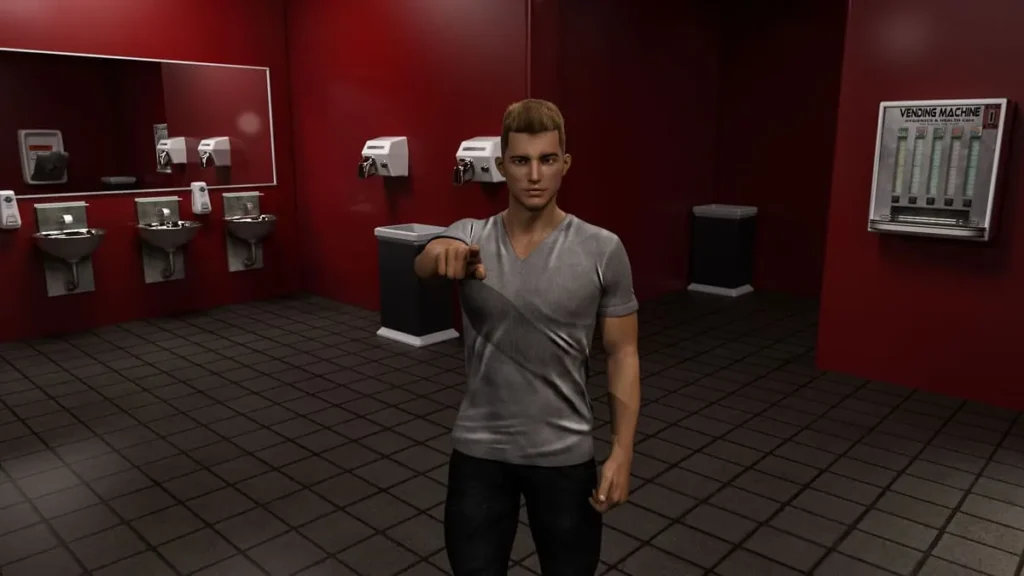
Let’s cut through the corporate jargon and get straight to it. 🎯 If you’re here, you’re probably curious about Corporate Culture, the adult-themed visual novel that’s less about boardroom mergers and more about merging with colleagues after hours. This isn’t your typical management sim; it’s a sharp, funny, and often painfully relatable dive into office life, wrapped in a package of meaningful choices and, yes, mature content. This Corporate Culture game overview will break down exactly what it is, why it stands out, and what you can expect when you hit ‘New Game’.
Available on PC through platforms like Steam and itch.io, this title takes the familiar visual novel format and injects it with a heavy dose of workplace cynicism and desire. The art style walks a clever line—characters are expressive and well-designed, with a polished look that doesn’t stray into the overly cartoonish, making the more intimate scenes feel grounded. The soundtrack deserves a shoutout too, blending loungey, slightly melancholic tunes that perfectly underscore the game’s tone of existential dread punctuated by moments of connection (or complication).
What truly distinguishes this Corporate Culture visual novel in a crowded field is its commitment to its premise. This isn’t just an office skin slapped onto a generic dating sim. The satire is baked into every interaction, from the soul-crushing team-building exercises to the passive-aggressive emails from HR. It’s a workplace satire game with real teeth, and the adult elements feel like a natural extension of the pressure-cooker environment it so brilliantly portrays.
Before we dive deeper, a crucial content note: This game is intended for adults. It contains explicit sexual content, mature themes including workplace politics and power dynamics, strong language, and depictions of alcohol use. It’s a smart, engaging experience, but it’s absolutely not for everyone. 🔞
Game premise and tone
You play as a new hire at the soul-sucking mega-corporation, OmniCorp. Your role is vague, your inbox is full, and your manager is a masterpiece of micro-management. The core premise is survival—not of the company, but of your own sanity and spirit. Will you climb the greasy pole by any means necessary? Will you find genuine connection with your equally disillusioned coworkers? Or will you simply try to make it to 5 PM with your dignity (mostly) intact? 🤔
The tone is the game’s greatest strength. It masterfully balances laugh-out-loud satire with moments of genuine human vulnerability. One minute you’re choosing how to respond to a spreadsheet request that makes zero sense, and the next, you’re sharing a vulnerable moment with a coworker in the broken-down stairwell. The writing is sharp, witty, and deeply understanding of the modern office drone’s plight. The adult-themed content is woven into this fabric; relationships (and their physical aspects) develop as consequences of your choices and the personalities you engage with, not as arbitrary checkpoints. This makes the Corporate Culture visual novel feel more mature in its storytelling, not just its rating.
Core mechanics and progression
At its heart, this is a game about choices and consequences. The gameplay systems explained here are what transform it from a passive story into a deeply personal experience. Forget complex stats and inventories; the game’s power lies in its elegant, interlocking systems of influence.
The primary mechanic is, of course, dialogue choices. Every conversation, from a quick chat by the water cooler to a tense meeting with your boss, presents you with options. These choices directly impact your relationship meters with key characters. But it’s not just about making someone “like” you more. Your choices also shape your protagonist’s subtle personality traits—are you becoming the office sycophant, the rebellious troublemaker, or the quietly competent one everyone relies on?
This is where the magic of the branching narrative overview comes into play. The game doesn’t just have a few alternative endings; it has entire narrative branches that can be permanently locked or unlocked based on seemingly minor decisions from days (in-game) prior. Did you agree to cover for Janet in accounting? That might open up a subplot with her later. Did you snitch on someone taking long lunches? That character’s entire route might become hostile or closed off. The game tracks everything, creating a web of cause and effect that makes each playthrough uniquely yours.
A key system is the “Stress/Comfort” dynamic. Certain choices at work will increase your stress level, which can lock out more relaxed, intimate dialogue options later. You need to manage your in-game day—sometimes choosing to slack off or take a walk—to keep your character in a headspace where connection is possible. It’s a brilliant way to gamify the very real experience of work-life (im)balance.
To visualize the core systems, here’s a breakdown:
| System | How It Works | Impact on Game |
|---|---|---|
| Dialogue & Choice | Select from multiple responses in every conversation. Timing and tone matter. | Directly controls relationship levels, unlocks special scenes, and defines your character’s reputation. |
| Relationship Meters | Hidden meters track affinity with each major character (Trust, Romance, Rivalry). | Determines which character routes are available and the nature of your interactions with them. |
| Narrative Branching | Flags are set based on key decisions, opening or closing entire story paths. | Creates high replay value; your first playthrough will likely see only 30-40% of total content. |
| Stress Management | Work decisions raise Stress. Leisure activities lower it. A hidden meter tracks your state. | High stress can block certain story progressions and lead to negative endings. |
For save/load strategy, my best advice is to save often and in new slots! Before any major meeting, after a significant choice, and definitely at the start of each in-game day. The game’s branching is so extensive that you’ll want to go back to key decision points to explore alternatives without replaying 10 hours of content.
My first run: personal anecdote
I went into my first playthrough thinking I had it all figured out. “I’ll be the charming, slightly rebellious hero,” I thought, winning over my cute deskmate and exposing the department’s hypocrisy. Oh, the hubris! 😅 My initial expectations were blown apart by a single, seemingly innocuous choice on Day 3. My boss, the eternally smarmy Mr. Hargrove, asked me to stay late to finish a pointless report. I chose the “sassy” option, making a joke about overtime pay. The game didn’t just give me a snarky reply; it set a flag. Hargrove marked as “Insolent.”
I didn’t think much of it until the week-two performance review. Instead of a path toward promotion or a fun side-plot undermining him, I was put on a “Performance Improvement Plan.” My access to certain projects—and the colleagues attached to them—was revoked. An entire branch of the story, involving a conspiracy I’d heard whispers about, was now completely inaccessible. My romance with the deskmate fizzled because she was “too worried about my job security.” I ended that first run not as a corporate whistleblower or a department lothario, but by quietly transferring to a different, gloomier branch, alone. It was a brutally effective lesson: this game takes its world and consequences seriously.
“I realized I wasn’t playing a power fantasy; I was navigating a minefield of real social and professional consequences, just with better art and a jazz soundtrack.”
That first run taught me everything about replaying to access alternate content. The branching narrative isn’t a gimmick; it’s the core of the experience. On my second playthrough, I played the obedient company drone early on, gained Hargrove’s trust, and unlocked a completely different, horrifically funny storyline where he involved me in his own petty schemes. The content I discovered felt like a wholly different game. It showed me what the Corporate Culture game overview can’t fully capture: the sheer density of its storytelling.
What does it do well? The writing is consistently top-tier, the integration of mechanics and narrative is seamless, and the satire is both hilarious and cathartic. Where could it improve? Some of the non-romantic plot branches feel slightly less fleshed out than the main relationship routes, and the pacing in the mid-game can drag if you’re not invested in your chosen path.
Ultimately, this Corporate Culture visual novel matters because it uses its adult themes and interactive nature to tell a genuinely compelling story about agency, connection, and survival in a broken system. It’s more than an adult-themed game review might suggest; it’s a clever, engaging, and deeply replayable experience that holds a dark mirror up to office life and lets you decide what you see in the reflection. Your desk is waiting. ☕️
This guide has walked you through the essential aspects of ‘Corporate Culture’: its premise and tone, the characters and relationship systems, practical strategies for targeted runs, presentation strengths, and ethical considerations for discussing the game. My personal playthroughs revealed that careful save management and understanding relationship triggers unlock the most rewarding content, while pacing your runs preserves enjoyment. If you want deeper help—such as a tailored 3-run plan for a particular character route or a fillable scene checklist—leave a comment or request a follow-up guide and I’ll create it based on your target outcomes.