
Depravity
Play Depravity
Depravity Screenshots












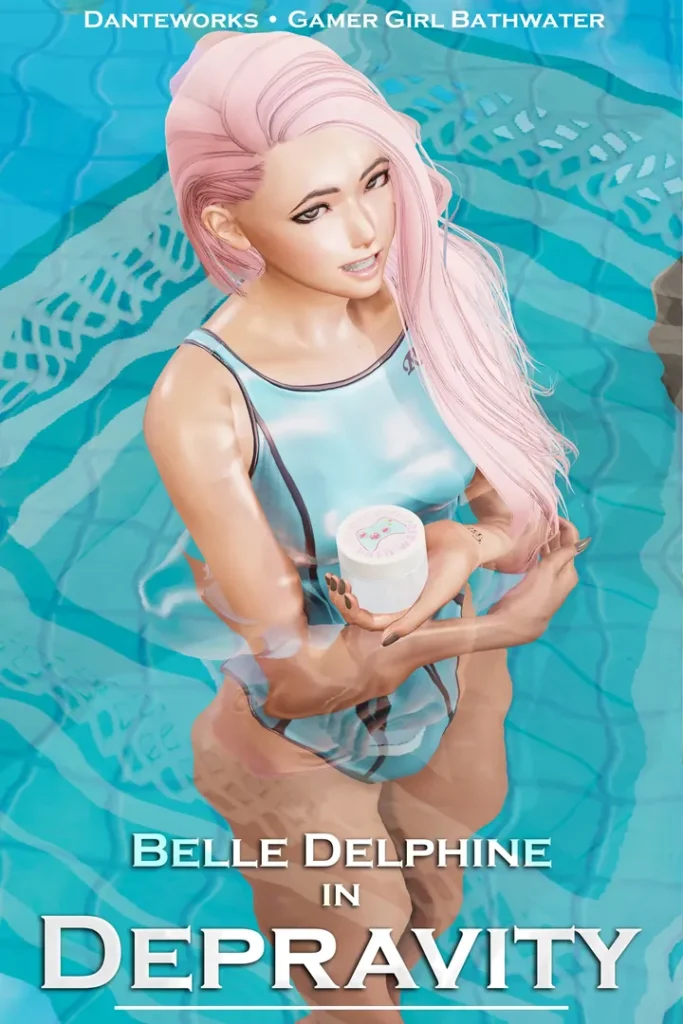















Depravity review
Exploring the immersive world, complex characters, and moral challenges of Depravity
Depravity is an interactive adult-themed game that plunges players into a morally complex and immersive narrative. Known for its challenging choices and deep storytelling, the game explores themes of power, corruption, and redemption. This article unpacks the unique aspects of Depravity, from its compelling characters to the dynamic world it presents, offering insights and practical advice for players seeking to navigate its dark and intricate setting.
Unraveling the Story and Themes of Depravity
You’ve played games where you’re the hero. You’ve played games where you’re the villain. But have you ever played a game where, hours in, you’re no longer sure there’s a difference? 😳 That’s the unsettling magic of Depravity. This isn’t just another dark fantasy RPG; it’s a mirror held up to our own moral compass, asking how far we’re willing to bend before we break. The Depravity game story isn’t something you simply watch—it’s something you live, breathe, and ultimately stain with your own decisions.
Let me tell you about the first time I truly felt its weight. I was playing a character trying to root out corruption in a city council. I found a judge taking bribes, a clear-cut bad guy. My “heroic” choice was to blackmail him into becoming my puppet, using his power to push through much-needed reforms. It worked. The slums got cleaner, the people were fed. But as I watched my once-idealistic character coldly manipulate another human being, I realized I hadn’t fixed the system. I had become it. That moment of chilling self-awareness is what sets this experience apart.
What Makes Depravity’s Narrative Unique? 🤔
Most games give you a binary: save the puppy or kick it. Depravity asks if you should save the puppy, sell it for a political favor, or train it to maul your enemies—and then shows you the decade-long consequences of that choice. The interactive narrative Depravity crafts is built on a foundation of gray areas. There is no “Paragon” or “Renegade” meter ticking in the corner. The game judges you not on alignment, but on the tangible, often messy outcomes of your actions.
The world doesn’t revolve around you, the player. It simulates a living, breathing ecosystem of power. Factions have their own goals that progress with or without your input. If you dally too long on a quest, the opportunity might vanish. A character you slight might not confront you immediately but will quietly align with your rivals. This creates a thrilling sense of unpredictability. You’re not navigating a story tree with clear branches; you’re navigating a story web, where every thread you tug shakes the entire structure. This focus on Depravity story consequences means your playthrough is uniquely, indelibly yours.
Key Themes: Power, Corruption, and Redemption ⚖️
At its heart, Depravity is a power and corruption game. Its core Depravity themes explore a simple, devastating question: Is corruption an external force that infects you, or is it the natural state of anyone who holds power for too long? The game brilliantly argues it’s often the latter. Power isn’t just political or magical here; it’s social, economic, and deeply personal. The ability to influence another person’s fate is the most potent currency of all.
But it’s not all doom and gloom! Woven through the muck is the fragile thread of redemption. Can a monster make amends? Can a system built on blood be reformed, or must it be torn down? The game never gives you an easy answer. A character’s redemption might require a horrific sacrifice. “Fixing” a city might demand you become its most ruthless ruler. These themes aren’t just discussed in dialogue; they are the bedrock of every quest and character motivation.
To see how these abstract ideas translate directly into your controller, check out this breakdown:
| Core Theme | How It Manifests in the World | A Sample Gameplay Choice |
|---|---|---|
| The Seduction of Power | Offers of influence, wealth, or forbidden knowledge are constantly dangled before you. They are always the path of least resistance. | Accept a demon’s pact for instant, city-leveling power to stop an invading army, damning your soul but saving thousands of lives. |
| The Cycle of Corruption | Institutions are shown to be rotten from within. “Fixing” them often requires adopting the very tactics you despise. | To dismantle a corrupt thieves’ guild, do you work within the law (slow, ineffective) or infiltrate and become its leader, getting your hands dirty? |
| The Cost of Redemption | Seeking forgiveness or to make amends has a tangible, often steep price that affects gameplay stats, alliances, and resources. | A companion asks for your help to atone for a past massacre. Helping them will bankrupt your treasury and turn a powerful faction against you. |
How Player Choices Shape the Story ✨
This is where Depravity moves from a great story to a generation-defining interactive narrative. The moral choices in Depravity are rarely grand, cinematic moments. They are quiet, insidious, and cumulative. It’s the small lie you tell to gain trust, the minor threat you use to speed up a negotiation, or the refugee you turn away because your resources are stretched. Each one subtly shifts your character’s worldview and how the world perceives you.
The most profound impact is seen in the Depravity character arcs. Your companions are not static NPCs who love you unconditionally. They have their own morality, and they are watching. I once had a pious knight as my closest ally. After I made a series of “necessary evils” to secure a kingdom, he didn’t just leave. He challenged me to a duel to the death, believing he had failed in his duty to guide me toward the light. His entire arc concluded not with a scripted cutscene, but as a direct, heartbreaking consequence of my playstyle. His story became a tragedy because of my actions.
These Depravity story consequences can be geopolitical, too. In one playthrough, I solved a region’s famine by forcing a fey forest to be eternally bountiful—a magically brutal act. The forest was saved, people were fed. Decades later, in the game’s epilogue, I read that my “solution” had made the land magically sterile, creating a new desert and sparking resource wars. My “good” deed had echoes of catastrophe.
Ultimately, the true genius of the Depravity game story is that it makes you complicit. You can’t blame the writer for a bad ending. You have to look at your own choices, your own justifications. It holds up a receipt for every moral shortcut you took. This makes the experience not just entertaining, but genuinely reflective. You’re left pondering the very Depravity themes of power and compromise long after you’ve put the controller down. It’s a dark, challenging, and utterly unforgettable journey into the heart of what we’re willing to do—and become—when the stakes are real. 🕯️
Depravity stands out as a provocative and immersive game that challenges players with its morally complex story and richly developed characters. Its dynamic world and impactful choices invite deep reflection on power and consequence. Whether you’re drawn to its narrative depth or the engaging gameplay, Depravity offers a unique experience that lingers long after playing. Dive in and discover what paths you would take in this shadowy, compelling world.