Luna’s Fall from Grace
Play Luna’s Fall from Grace
Luna’s Fall from Grace Screenshots




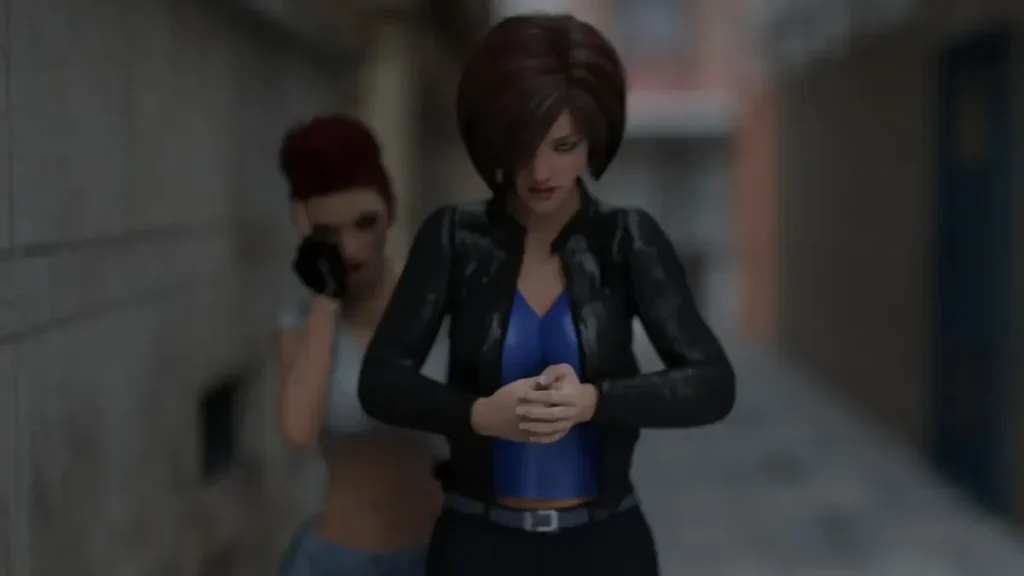






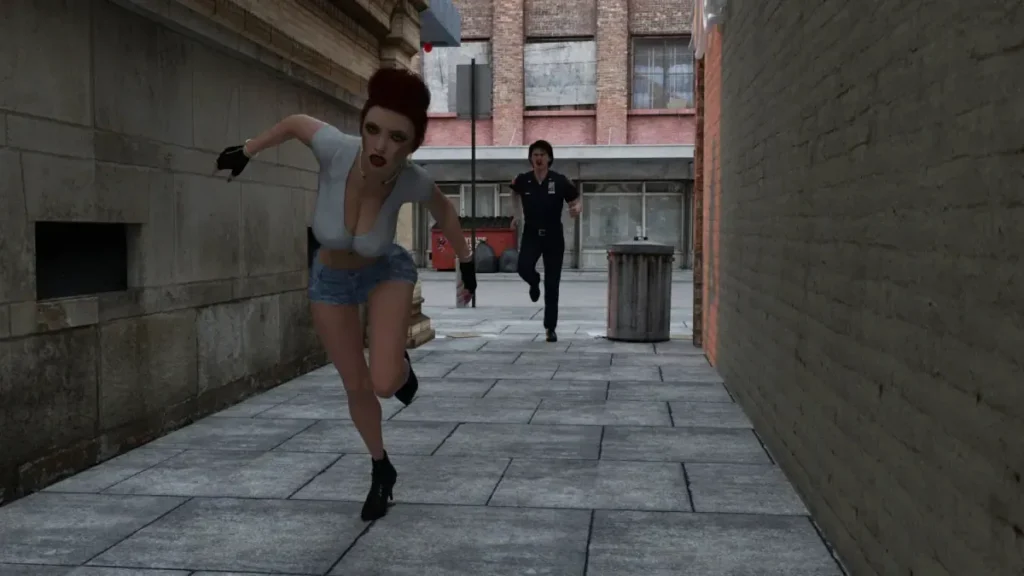

Luna’s Fall from Grace review
Explore the Story, Gameplay, and Unique Features of Luna’s Fall from Grace
Luna’s Fall from Grace is a captivating interactive experience that blends storytelling with immersive gameplay. This article dives deep into the game’s narrative, mechanics, and character arcs, providing fans and newcomers alike with a thorough understanding of what makes Luna’s journey compelling. Whether you’re curious about the plot twists or the gameplay style, this guide covers everything you need to know about Luna’s Fall from Grace.
Exploring the Storyline of Luna’s Fall from Grace
Ever find yourself so invested in a character’s Luna’s Fall from Grace story that you forget you’re holding a controller? 😌 That was my exact experience from the first moment I stepped into Luna’s worn-out boots. This isn’t just a game you play; it’s a world you feel, centered on a protagonist so richly drawn she feels like someone you know. The narrative doesn’t just unfold before you—it pulls you in, making you a partner in her struggle. Let’s peel back the layers of this remarkable tale and discover why Luna’s journey resonates so deeply.
Who is Luna? Understanding the Protagonist
To get why her story hits so hard, you have to start with who she is. Luna’s Luna character background is a masterclass in crafting a relatable yet deeply scarred hero. She isn’t a chosen one born with a destiny; she’s a former architect of serenity, a “Weaver” who once maintained the celestial harmony of her world. Picture an artist whose canvas was the sky itself, weaving light and order. ✨
But when a catastrophic event known as the “Silence” unravels her life’s work and claims someone she loved, Luna is left broken. She’s haunted not by a villain’s curse, but by a crushing personal failure and a grief that has stolen her creative voice. Her motivation isn’t to save the world because it’s the right thing to do; it’s a desperate, guilt-driven scramble to fix a mistake she believes is entirely her own. This flaw is her engine. You don’t guide an all-powerful hero; you support a talented, grieving woman who is profoundly, humanly lost.
My first hour with the game wasn’t spent in epic combat. It was spent in her quiet, dusty apartment, looking at faded sketches of brighter days and choosing whether to tidy up the empty tea cups or leave them as a monument to her sadness. These small, silent moments are the Luna character background. They tell you everything about her current state without a single line of exposition. You feel her weight before she ever speaks of it.
Key Plot Points and Narrative Arcs
The game narrative arcs in Luna’s Fall from Grace are brilliantly structured not as a straight line to victory, but as a spiral delving deeper into trauma and memory. The plot is divided into three distinct acts, each mirroring a stage of her emotional recovery.
The first act, “The Unraveling,” is about forced movement. Luna is thrust from her isolation by the lingering effects of the Silence. Here, the gameplay directly reflects the story—you’re literally piecing together broken fragments of the world, which are also fragments of her past. The key twist isn’t about the world; it’s the dawning realization that the catastrophe was more complex than she’d believed, introducing seeds of doubt about her own guilt. 🤯
Act two, “Echoes of the Past,” shifts inward. To mend the world, Luna must confront “Echoes”—living memories of pivotal moments in her life. This is where the Luna’s Fall from Grace plot twists truly shine. One unforgettable Echo revealed that her mentor, whom she remembered as stern and critical, was actually fiercely protecting her from a power she wasn’t ready to handle. It recontextualized her entire understanding of her own growth and loss. These aren’t just flashbacks; they are interactive, malleable memories where your choices can slightly alter Luna’s perception of the past, healing old wounds in real-time.
The final act, “A New Weave,” is about synthesis. Armed with a truer understanding of the past, Luna’s goal changes from simple repair to creating something new from the broken pieces. The climactic choice she faces isn’t a binary good vs. evil decision. It’s a profound emotional and philosophical question: does she restore the old perfect order, or embrace the beautiful, imperfect new reality that has emerged from the chaos? The game trusts you with this weighty conclusion, making the finale deeply personal.
To visualize this emotional and structural journey, here’s a timeline of the pivotal moments that define her path:
| Act | Story Beat | Luna’s Emotional State |
|---|---|---|
| The Unraveling | The Silence occurs; Luna retreats in grief. | Guilt, Shame, Isolation |
| The Unraveling | Forced to venture out; discovers the world is still “bleeding.” | Reluctant Duty, Burgeoning Hope |
| Echoes of the Past | Confronts the Echo of her lost loved one. | Confronting Grief, Seeking Forgiveness |
| Echoes of the Past | Twist: Learns her mentor’s true intentions. | Anger, Confusion, Re-evaluation |
| A New Weave | Must choose between restoration or innovation. | Clarity, Acceptance, Empowerment |
Themes and Emotional Depth in the Story
What elevates this Luna’s Fall from Grace story from great to unforgettable are the emotional themes Luna game explores with such delicate precision. This is a narrative deeply concerned with the psychology of healing.
The most prominent theme is the burden of creative responsibility. Luna’s power is a direct metaphor for artistry and creation. The game asks: what happens when the creator blames themselves for their creation’s flaw? What is the cost of perfectionism? Her journey from seeing her work as a “failed masterpiece” to understanding it as a living, changing process is one that will resonate with anyone who has ever created anything.
Closely tied to this is the theme of grief as a landscape. Luna doesn’t “get over” her loss; she learns to move through it and find meaning again. The ruined world is a physical manifestation of her inner state. As you heal the environment, you are quite literally charting her path through sorrow. The interactive story Luna experience is key here—you aren’t watching her heal; your actions of mending and connecting are the healing process.
Finally, the game presents a powerful argument for beautiful imperfection. The old world was pristine but static. The broken world is flawed, unpredictable, but full of unexpected beauty and resilience. Luna’s ultimate Luna’s journey in game is about accepting that beauty isn’t synonymous with flawlessness, and that true strength often comes from mended cracks. This theme is echoed in the stunning visual design, where your repaired structures don’t look brand new—they bear gorgeous, golden scars, known as “kintsugi” lines.
I’ll never forget the moment I chose the “new weave” ending. The game didn’t show me a parade or a crown. It showed Luna sitting quietly, finally able to sketch again, not a perfect copy of the old world, but something uniquely her own. I cried. It felt less like winning a game and more like witnessing a friend finally find peace. 🕊️
This is the magic of Luna’s Fall from Grace. Its game narrative arcs are built on a foundation of human emotion, and its interactive story Luna mechanics make you an active participant in that emotional journey. You don’t just learn about Luna’s background; you help her rebuild from it. You don’t just witness plot twists; you feel their seismic shift in your understanding. It’s a story that stays with you, a gentle reminder that even after the deepest fall, grace can be found in the pieces left behind.
Luna’s Fall from Grace offers a rich, immersive experience that combines a compelling narrative with engaging gameplay. Its focus on character development and emotional storytelling makes it stand out in its genre. Whether you are a fan of interactive stories or new to this style of game, Luna’s journey provides memorable moments and thoughtful challenges. Dive in and experience the depth and complexity that this game has to offer.